How long EPDM roofing lasts
A key question for any Gas City owner considering EPDM is how long it lasts, and understanding its typical lifespan and what affects it helps set expectations and plan. EPDM has one of the longest, most proven service lives in commercial roofing.
A long, proven service life
A quality EPDM roof, properly installed and maintained, commonly lasts past twenty years and often longer, with one of the longest track records of any commercial membrane. This longevity is demonstrated by decades of real world performance, not just projected, which gives a owner confidence in how the roof will age. EPDM's proven durability is a major part of its appeal, since the membrane has shown it can deliver dependable service over a long span.
Cold weather durability and longevity
EPDM's excellent flexibility in cold weather contributes to its long life, since it handles freeze thaw cycles and temperature swings without cracking, a common cause of premature failure in less flexible materials. For a Grant County building exposed to real winters, this cold durability helps the roof reach its full service life rather than failing early to weather. EPDM's resilience in the local climate is one reason its proven longevity holds true in conditions like central Indiana's.
The role of installation and maintenance
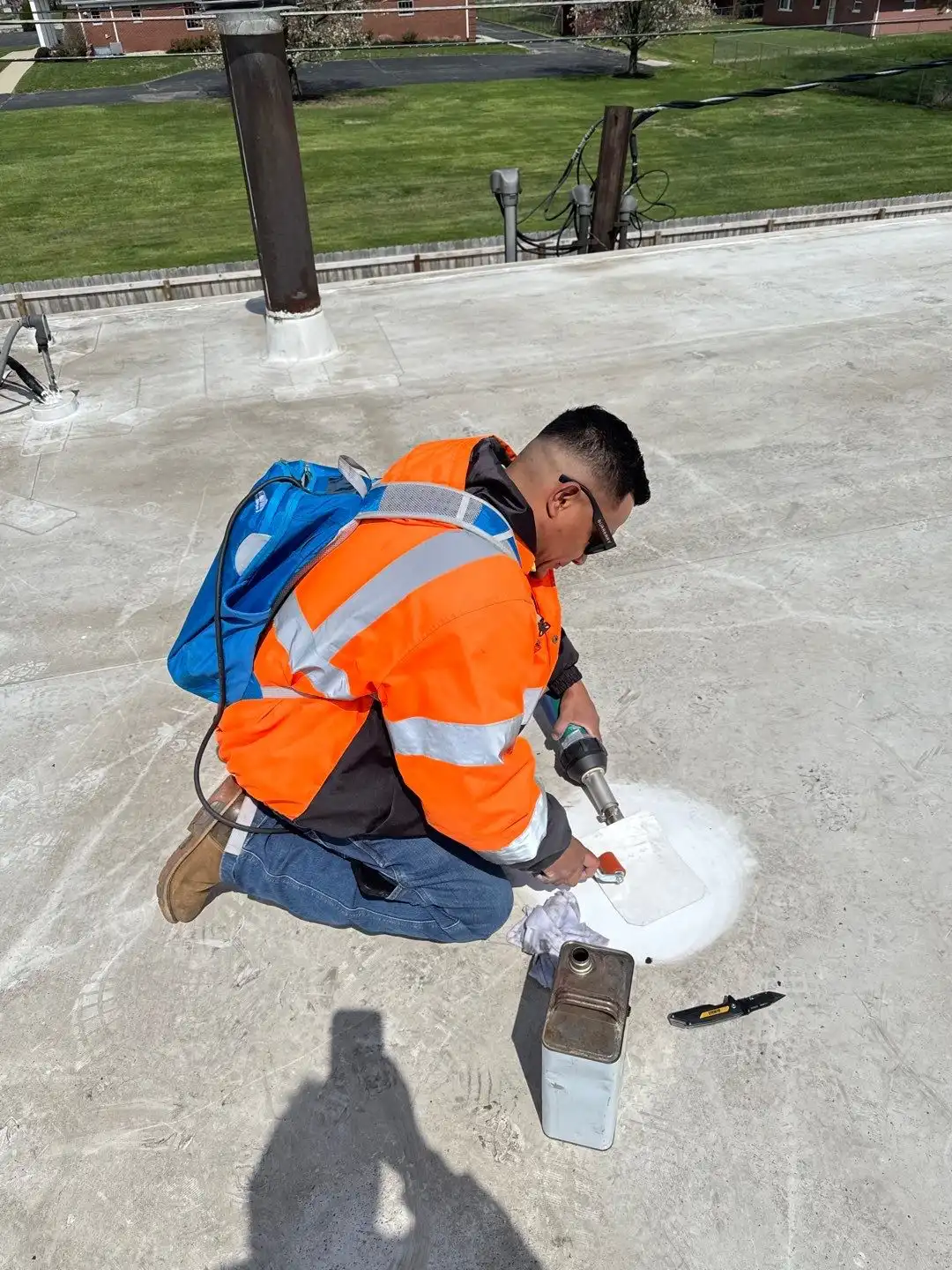
Installation quality and maintenance heavily affect how long an EPDM roof actually lasts. A well installed roof with properly prepared adhesive seams and careful detailing reaches its full life, while poorly made seams cause early failure. And a maintained roof, with clear drains, regular inspections, and prompt repairs, commonly reaches or exceeds its expected life. For a Gas City building, these factors are within the owner's influence and are the most effective ways to get EPDM's full lifespan.
Monitoring the seams as it ages
As an EPDM roof ages, the adhesive seams are the area to monitor, since they are the part most likely to need attention over time. Regular inspection catches any seam issues early, while they are easily addressed, keeping the roof watertight. For a building, keeping an eye on the seams through maintenance is a practical way to help an EPDM roof reach its full proven life, since addressing seam wear promptly prevents it from becoming a leak.
Getting the full lifespan
EPDM commonly lasts past twenty years and often longer, and reaching that depends on the installation quality, maintenance, and attention to the seams, factors largely within an owner's control. A Grant County owner who chooses a skilled installer and a maintenance routine gives the EPDM roof its best chance at its full proven life. Understanding the lifespan and its drivers is what lets an owner plan and maximize the roof's long service.
Maximize your EPDM roof's lifespan
Finally, whether EPDM is the right choice comes down to the building, since a long track record does not make it best for every roof. A owner who weighs EPDM's strengths, proven durability and cold weather flexibility, against the building's actual priorities, and compares it honestly to reflective or chemical resistant alternatives, makes a better decision than one who picks by reputation alone. The membrane that fits the building is the right one, and understanding EPDM is what lets an owner judge whether the rubber roof is that membrane.
It also helps to remember that with EPDM, the adhesive seams are central to the outcome, because the membrane's proven durability depends on those seams being properly prepared and then monitored as the roof ages. A Grant County owner who prioritizes a skilled installer and keeps an eye on the seams through maintenance gets the full proven life EPDM can offer, while one who neglects them may see the rubber's potential cut short. Understanding the role of the seams is among the most useful things an owner can take from learning about EPDM.
The broader point about understanding EPDM is that knowing what a membrane is and how it works lets an owner make a roofing decision rather than simply accept what is there. A Gas City owner who understands EPDM's rubber composition, cold weather flexibility, lifespan, and cost can judge whether it fits the building, ask the right questions, and recognize a quality installation from a rushed one. That understanding turns a proven but sometimes overlooked membrane into a choice the owner can evaluate on its merits.
Finally, whether EPDM is the right choice comes down to the building, since a long track record does not make it best for every roof. A owner who weighs EPDM's strengths, proven durability and cold weather flexibility, against the building's actual priorities, and compares it honestly to reflective or chemical resistant alternatives, makes a better decision than one who picks by reputation alone. The membrane that fits the building is the right one, and understanding EPDM is what lets an owner judge whether the rubber roof is that membrane.
It also helps to remember that with EPDM, the adhesive seams are central to the outcome, because the membrane's proven durability depends on those seams being properly prepared and then monitored as the roof ages. A Grant County owner who prioritizes a skilled installer and keeps an eye on the seams through maintenance gets the full proven life EPDM can offer, while one who neglects them may see the rubber's potential cut short. Understanding the role of the seams is among the most useful things an owner can take from learning about EPDM.
The broader point about understanding EPDM is that knowing what a membrane is and how it works lets an owner make a roofing decision rather than simply accept what is there. A Gas City owner who understands EPDM's rubber composition, cold weather flexibility, lifespan, and cost can judge whether it fits the building, ask the right questions, and recognize a quality installation from a rushed one. That understanding turns a proven but sometimes overlooked membrane into a choice the owner can evaluate on its merits.
Finally, whether EPDM is the right choice comes down to the building, since a long track record does not make it best for every roof. A owner who weighs EPDM's strengths, proven durability and cold weather flexibility, against the building's actual priorities, and compares it honestly to reflective or chemical resistant alternatives, makes a better decision than one who picks by reputation alone. The membrane that fits the building is the right one, and understanding EPDM is what lets an owner judge whether the rubber roof is that membrane.
Gas City Commercial Roofing installs and maintains Gas City EPDM roofs to reach their full proven lifespan, with quality installation and maintenance plans. Call (765) 676-3491 to get the most years from your rubber roof. Quality installation and care are what separate a roof that lasts from one that fails early.